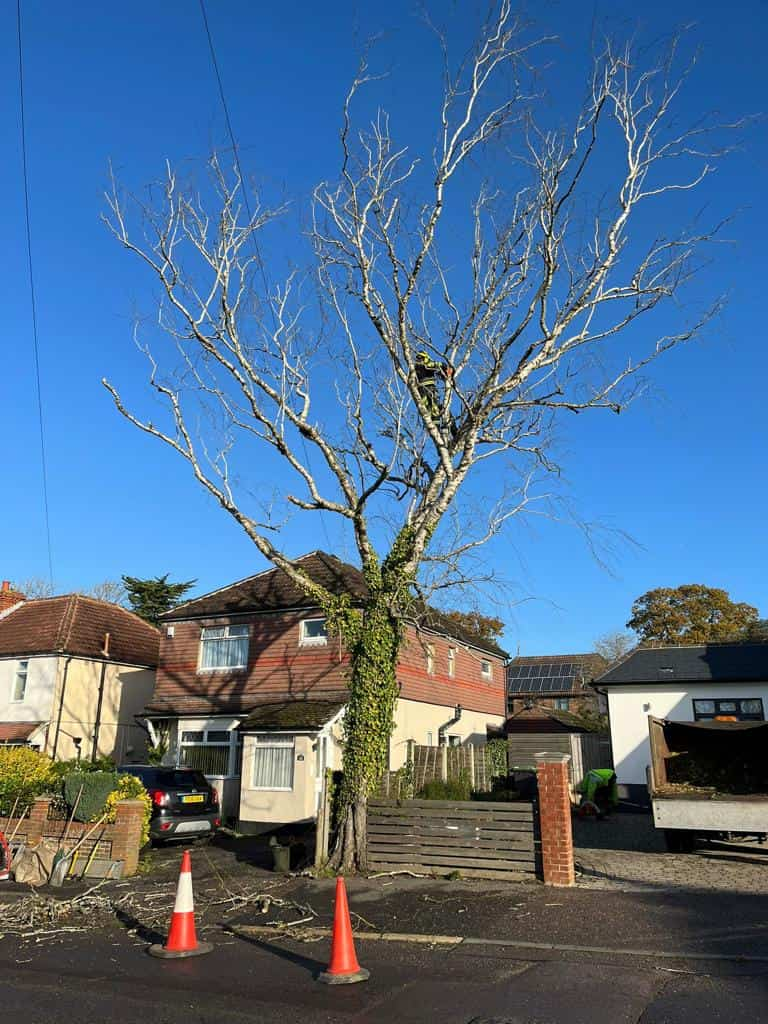
Trees bring beauty, shade and natural character to gardens and outdoor spaces. However, to remain healthy and develop a strong structure, many trees benefit from occasional professional maintenance. Tree pruning is an important part of this process, helping to remove damaged branches, manage unwanted growth and support the tree’s long-term condition.
For property owners in Cheltenham, Gloucestershire, understanding when and how to prune trees can help prevent avoidable damage while maintaining an attractive outdoor environment. However, pruning must be carried out carefully, as cutting the wrong branches or removing too much growth can place unnecessary stress on a tree.
EM Tree Surgery Cheltenham provides professional tree care to help homeowners maintain their trees safely and appropriately. Knowing the benefits of pruning can help you recognise when your trees may need attention.
What Is Tree Pruning and Why Is It Important?
Tree pruning involves selectively removing branches to improve a tree’s structure, address damage or manage its growth. Unlike indiscriminate cutting, proper pruning considers the tree’s species, age, condition and natural shape.
Regular assessment can identify branches that are dead, diseased, crossing or poorly attached. Removing selected branches where appropriate can reduce certain risks, improve the tree’s appearance and encourage the development of a stronger structure.
Pruning is not always necessary every year. Some trees require little intervention, while others may need more frequent attention because of their growth pattern, location or condition. The aim is to carry out only the work that benefits the individual tree.
How Regular Tree Pruning Supports Healthy Growth
Removing Dead and Damaged Branches
Dead, broken and damaged branches can affect a tree’s appearance and may become hazards, particularly during windy weather. They can also provide entry points for certain pests and decay organisms.
A professional assessment helps establish which branches should be removed and whether any underlying problem needs further investigation. Prompt attention to damaged limbs can help protect the remaining structure and surrounding property.
Improving the Tree’s Structure
Some trees develop crossing branches that rub against one another as they grow. Repeated friction can damage the bark and create areas vulnerable to infection or decay.
Selective pruning can address problematic growth and help maintain a more balanced branch structure. Young trees may also benefit from formative pruning, which guides their development while avoiding unnecessary removal of healthy growth.
Good structural pruning should respect the tree’s natural shape rather than forcing it into an unsuitable form.
Managing Dense Canopies
A dense canopy is not automatically a sign of poor health, but certain trees may develop crowded growth that requires attention. Selective removal of appropriate branches can improve the arrangement of the canopy and allow better air movement through it.
Pruning should not be used simply to remove as much foliage as possible. Leaves are essential for photosynthesis, which provides the energy a tree needs to grow. Excessive cutting can weaken the tree and encourage poorly attached shoots.
An experienced tree surgeon can determine whether canopy thinning or another pruning technique is appropriate for the species and its condition.
Supporting Long-Term Tree Health
Pruning can help manage damaged or diseased branches, but it does not cure every tree health problem. Symptoms such as unusual leaf loss, discolouration, fungal growth or progressive dieback may have several causes, including pests, disease, root problems or environmental stress.
Identifying the underlying cause is important before work begins. In some cases, pruning may form part of a wider tree care plan rather than being the only treatment required.
When Is the Best Time to Prune Trees?
The most suitable pruning time depends on the tree species, its condition and the purpose of the work.
Many deciduous trees are pruned during the dormant season when their structure is easier to assess. However, this is not a universal rule. Some species are best pruned at other times, and certain trees may bleed sap heavily if cut during particular periods.
Dead, broken or hazardous branches may require attention whenever they occur. Work involving diseased trees also needs careful timing and appropriate handling to avoid spreading infection.
Wildlife should be considered before pruning begins. Trees and hedges may contain nesting birds or other wildlife, so the work area should be checked carefully. Where nesting activity is present, work may need to be postponed or adjusted.
For trees in Cheltenham, Gloucestershire, professional advice can help determine the appropriate timing and method for the specific tree.
Signs Your Tree May Need Professional Pruning
Several visible signs suggest that a tree should be assessed by a qualified professional:
- Dead or hanging branches within the canopy.
- Branches that are cracked, split or rubbing against one another.
- Excessive growth interfering with buildings, paths or access areas.
- A canopy that has developed an uneven structure.
- Branches showing signs of disease, dieback or unusual deterioration.
- Previous pruning cuts that appear damaged or have encouraged excessive regrowth.
These signs do not always mean extensive pruning is necessary. An inspection helps determine whether selective branch removal, further investigation or no immediate work is the most appropriate response.
Avoid climbing trees or cutting large branches yourself, particularly where branches are high, heavy or close to buildings and overhead obstacles.
Why Professional Tree Surgery Matters
Correct pruning requires an understanding of tree biology, branch structure and appropriate cutting techniques. Poorly positioned cuts, excessive crown reduction and indiscriminate topping can leave large wounds, weaken the tree and encourage problematic regrowth.
A professional tree surgeon can assess the tree before recommending work, explain which branches need attention and carry out pruning with the aim of preserving healthy growth.
EM Tree Surgery Cheltenham helps property owners in Cheltenham, Gloucestershire, maintain their trees through appropriate pruning and tree care. Each tree should be assessed individually so that the recommended work reflects its condition, location and long-term needs.
Conclusion
Tree pruning supports healthy growth when it is carried out for the right reasons and with an understanding of the tree’s natural development. Removing damaged branches, correcting structural problems and managing selected areas of dense growth can help maintain a tree’s condition, appearance and safety.
However, pruning is not a routine requirement for every tree, and excessive cutting can do more harm than good. Regular assessment and carefully planned maintenance help ensure that any work is beneficial.
If your trees have damaged branches, excessive growth or signs of deterioration, contact EM Tree Surgery Cheltenham to discuss professional tree pruning and arrange an assessment in Cheltenham, Gloucestershire.
Call us on: 01242 569 996
Click here to find out more about EM Tree Surgery Cheltenham
Click here to complete our contact form and see how we can help with your tree needs.